Exploring the Intersection of Gratitude and a Polymathic Personality
The concept of a polymathic personality, characterized by a wide range of interests and expertise across various fields, and the practice of gratitude might seem unrelated at first glance. However, upon closer examination, these two aspects of human experience share several common points.
1. Lifelong Learning and Growth: Polymaths are known for their insatiable curiosity and continuous pursuit of knowledge. Similarly, gratitude enhances one’s appreciation for life’s experiences, promoting an openness to learning from every situation.
2. Enhanced Perspective: Polymaths often have a broad perspective due to their diverse interests and knowledge. Gratitude, too, broadens one’s perspective, encouraging individuals to see the positive in different circumstances and to appreciate the interconnectedness of life’s experiences.
3. Improved Relationships: The polymathic journey often involves collaboration and learning from others, fostering strong interpersonal relationships. Gratitude also strengthens relationships by fostering positive feelings and appreciation towards others.
4. Resilience and Adaptability: Polymaths, with their varied skills and knowledge, tend to be adaptable in facing challenges. Gratitude, by fostering a positive mindset, enhances resilience against life’s adversities.
5. Enhanced Well-being: Engaging in diverse interests can lead to a fulfilling life for polymaths. Similarly, gratitude has been linked to improved mental health and overall well-being.
In conclusion, the polymathic personality and the practice of gratitude, while distinct, share key similarities that contribute to personal growth, enriched perspectives, and a more fulfilling life experience. As we embrace our diverse interests and practice gratitude, we pave the way for a more integrated and enriching life journey.
Exploring the Intersection of Gratitude and a Polymathic Personality
The concept of a polymathic personality, characterized by a wide range of interests and expertise across various fields, and the practice of gratitude might seem unrelated at first glance. However, upon closer examination, these two aspects of human experience share several common points.
1. Lifelong Learning and Growth: Polymaths are known for their insatiable curiosity and continuous pursuit of knowledge. Similarly, gratitude enhances one’s appreciation for life’s experiences, promoting an openness to learning from every situation.
2. Enhanced Perspective: Polymaths often have a broad perspective due to their diverse interests and knowledge. Gratitude, too, broadens one’s perspective, encouraging individuals to see the positive in different circumstances and to appreciate the interconnectedness of life’s experiences.
3. Improved Relationships: The polymathic journey often involves collaboration and learning from others, fostering strong interpersonal relationships. Gratitude also strengthens relationships by fostering positive feelings and appreciation towards others.
4. Resilience and Adaptability: Polymaths, with their varied skills and knowledge, tend to be adaptable in facing challenges. Gratitude, by fostering a positive mindset, enhances resilience against life’s adversities.
5. Enhanced Well-being: Engaging in diverse interests can lead to a fulfilling life for polymaths. Similarly, gratitude has been linked to improved mental health and overall well-being.
In conclusion, the polymathic personality and the practice of gratitude, while distinct, share key similarities that contribute to personal growth, enriched perspectives, and a more fulfilling life experience. As we embrace our diverse interests and practice gratitude, we pave the way for a more integrated and enriching life journey.
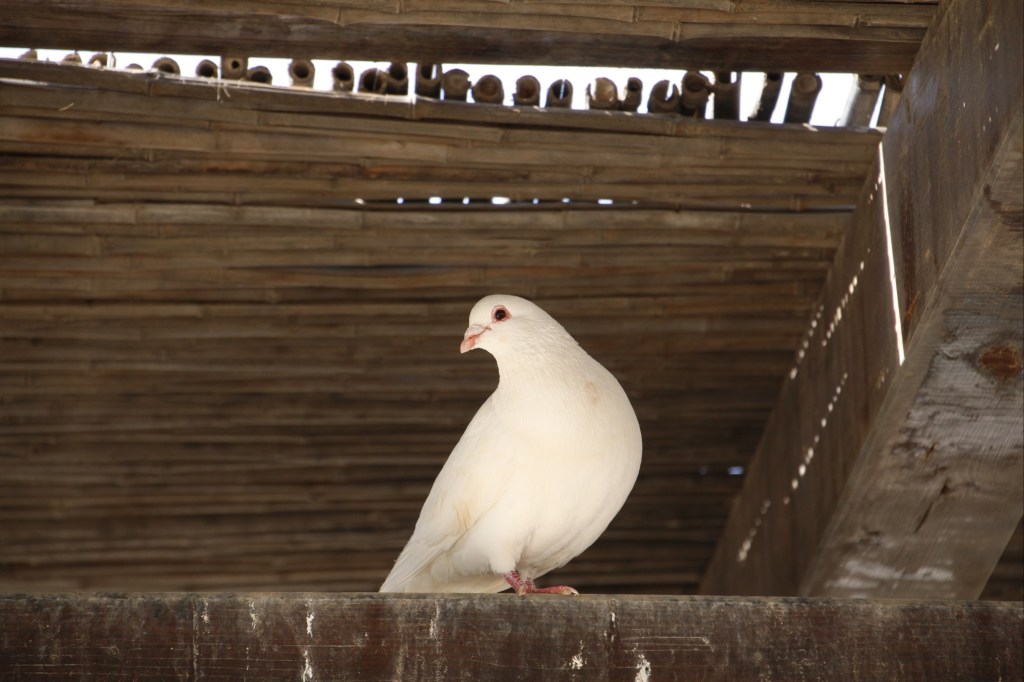
In a world that often seems divided and tumultuous, finding solace in the virtues of peace, tolerance, and kindness is like discovering an oasis in a desert. The image of a pure white pigeon, a universal symbol of peace, serves as a powerful reminder of the beauty and necessity of these values in our daily lives.
Peace: A Gentle Whisper in a Noisy World
Peace is more than the absence of conflict; it is a state of harmony that resonates within us and in our interactions with others. It is like a gentle whisper that calms the stormy seas of our minds. In embracing peace, we learn to navigate life’s challenges with a calm and steady heart, influencing those around us to do the same.
Tolerance: The Art of Embracing Differences
Tolerance is the beautiful art of accepting and appreciating the differences that make each of us unique. It teaches us to look beyond our preconceptions and prejudices, and to see the common humanity in everyone. Tolerance is not just about enduring differences; it’s about celebrating them as essential threads in the rich tapestry of our shared human experience.
Kindness: A Spark that Ignites Compassion
Kindness, in its simplest form, is love in action. A kind word, a thoughtful gesture, or even a smile can bridge gaps and heal wounds. Kindness has the power to transform the mundane into the extraordinary and to turn strangers into friends. It’s a spark that ignites compassion and empathy, creating ripples that extend far beyond the initial act.
As we reflect on these virtues, let us each make a conscious effort to incorporate them into our lives. Like the pure white pigeon, may we soar high on the wings of peace, tolerance, and kindness, spreading hope and harmony wherever we go.
Gratitude: The Heart of It All
In the end, it all circles back to gratitude. Being thankful for the capacity to experience and share peace, to practice tolerance, and to perform acts of kindness is a profound blessing. Today, I am deeply grateful for these virtues that enrich our lives and make our world a better place.
Feel free to share your thoughts and feelings in the comments below.


 THANK YOU!