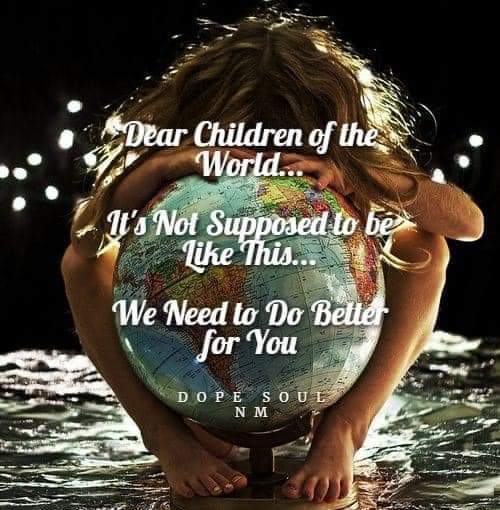
Is world peace a possibility or a utopia?

To achieve world peace, mankind needs to prioritize diplomacy, communication, and understanding between nations and cultures. We need to promote equality, justice, and human rights for all people. It’s important to address the root causes of conflict, such as poverty, inequality, and lack of resources. Additionally, promoting education, tolerance, and empathy can help create a more peaceful world. Ultimately, it requires a collective effort from individuals, communities, and governments to work towards a peaceful global society. It’s a challenging and complex goal, but with dedication and perseverance, world peace is within reach. By fostering a culture of cooperation and mutual respect, we can build a better future for generations to come. It’s up to each and every one of us to contribute to the ongoing pursuit of global harmony.

A possible roadmap towards world peace could include:

  1. Diplomacy and conflict resolution: Encouraging nations to resolve disputes through peaceful negotiations and mediation rather than resorting to violence.
  2. Education and cultural exchange: Promoting understanding and empathy among different cultures and societies through education, cultural exchange programs, and increased communication.
  3. Economic development and poverty reduction: Addressing economic disparities and poverty can reduce the likelihood of conflict and promote stability.
  4. Human rights and equality: Upholding and promoting human rights for all individuals, regardless of race, gender, religion, or nationality.
  5. International cooperation and collaboration: Encouraging nations to work together on global issues such as climate change, healthcare, and security, fostering a sense of shared responsibility and common goals.
  6. Conflict prevention and peacebuilding: Investing in early warning systems, peacebuilding initiatives, and support for conflict-affected regions to prevent conflicts from escalating and promote sustainable peace.

While achieving world peace may seem like an idealistic goal, these steps can contribute to creating a more peaceful and stable world.

The prevention of just one conflict can have a significant impact and is well worth the effort.

Future generations will be thankful.
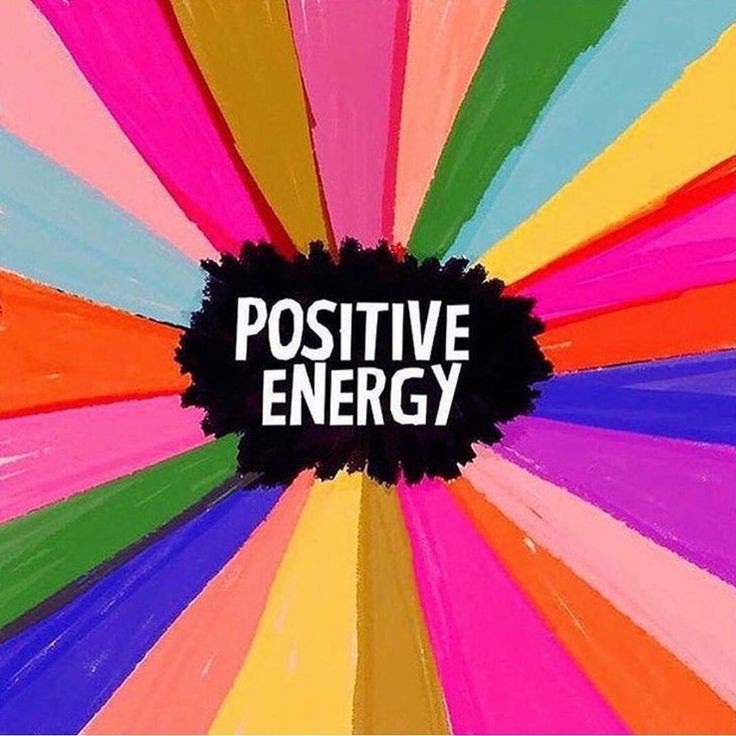
Embracing the Power of Positivity and Mindfulness

In the hustle and bustle of our daily lives, it’s easy to get caught in the web of negativity and stress. But what if we could shift our focus to something more uplifting? Today, let’s explore the transformative power of positive energy, positivity, positive psychology, and mindfulness, and how they can enrich our lives.

Positive Energy: A Catalyst for Change


Positive energy is more than just a feel-good term. It’s a powerful force that can significantly impact our mental, emotional, and physical well-being. When we surround ourselves with positive energy, be it through people, environments, or activities, we set the stage for positive experiences and outcomes.

The Science of Positivity


Positive psychology, a branch of psychology, delves into what makes life most worth living. It encourages us to look at our strengths and virtues, helping us to build a life of meaning and purpose. Studies in this field have shown that a positive outlook can lead to better health, longer life, and greater well-being.

Mindfulness: The Art of Being Present


Mindfulness is the practice of being fully present in the moment, aware of where we are and what we’re doing, without being overly reactive or overwhelmed by what’s going on around us. It’s about appreciating the now, not lamenting the past or worrying about the future.

Practical Tips for Incorporating Positivity and Mindfulness into Your Life:


1. Start Your Day with a Positive Affirmation: Speak kindness and positivity into your life each morning.
2. Practice Gratitude: Take time each day to think about the things you’re thankful for.
3. Mindful Breathing: Spend a few minutes focusing on your breath; this can be a calming and centering practice.
4. Connect with Nature: Spend time outdoors and appreciate the beauty around you.
5. Surround Yourself with Positive People: Relationships with positive people can greatly influence your own state of mind.

Conclusion:
The journey towards a more positive and mindful life is ongoing. Each small step we take in embracing positivity and mindfulness can lead to significant changes in our happiness and well-being. Let’s cherish every moment and remember to be grateful for the simple joys of life.

Call to Action:
What are your experiences with positivity and mindfulness? Share your stories in the comments below and let’s spread the joy of gratitude!